
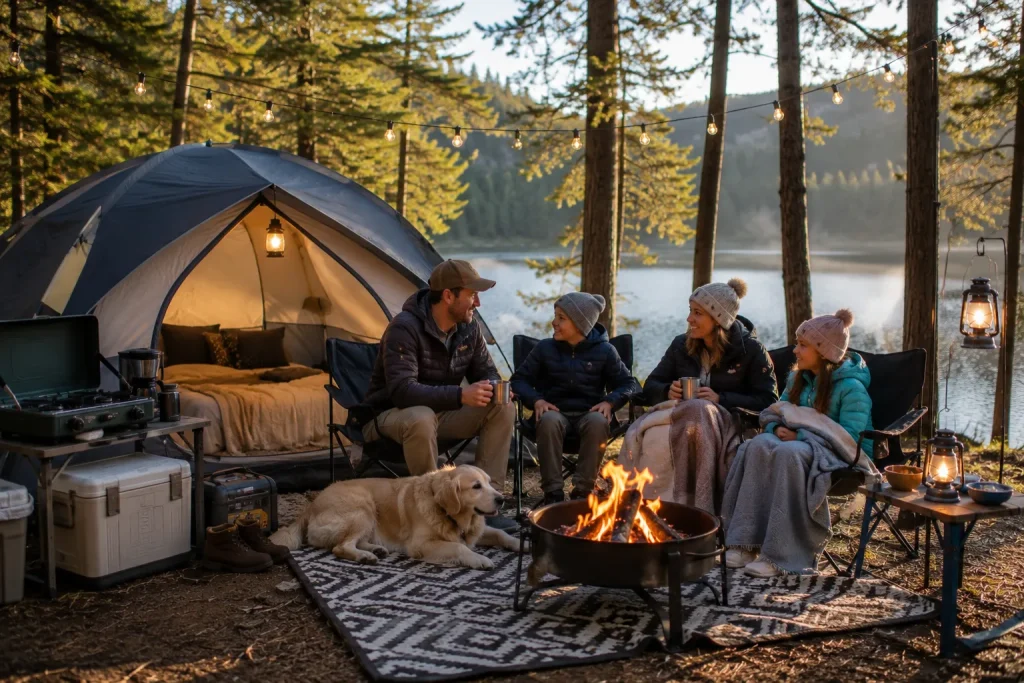
First-Time Campers often worry about sleeping outdoors, preparing meals, and staying comfortable away from home. According to the 2024 North American Camping Report, more than 58 million U.S. households camp each year, and nearly 7 million people try camping for the first time annually. Good planning makes the experience easier and more enjoyable.
We know that beginners usually face challenges with packing, weather changes, and sleeping arrangements. Many new campers bring too much gear or forget essential items. Comfort does not require expensive equipment. Smart preparation and practical choices matter more than having the latest products.
Experienced outdoor guides from the American Camp Association recommend focusing on shelter, sleeping systems, and meal planning before thinking about luxury items. A comfortable setup helps people enjoy nature and build confidence.
This guide explains how First-Time Campers can stay comfortable during their first outdoor adventure. We will cover sleeping arrangements, clothing, food preparation, and useful tips that make camping stress-free and enjoyable.
Choose the Right Camping Equipment
Focus on Essential Comfort Items
First-Time Campers should begin with reliable basics instead of purchasing expensive gear. The Outdoor Industry Association reported that beginner campers spend an average of $350 on their first camping trip. However, comfort depends more on quality than quantity.
A three-person tent provides extra room for two adults. Sleeping pads improve insulation and reduce pressure points. Experts recommend pads with an R-value between 3.0 and 5.0 for three-season camping.
Key essentials include:
- Waterproof tent with rainfly.
- Sleeping bag rated 10°F below expected temperatures.
- Inflatable sleeping pad.
- Camping pillow.
- Portable lantern with LED bulbs.
- Folding camp chairs.
Experienced campground managers often suggest testing equipment at home before departure. Setting up the tent in the backyard helps beginners understand the process and avoid problems at the campsite.
Camping Essentials Table
| Item | Average Price (2025) | Purpose |
|---|---|---|
| Three-person tent | $120 | Shelter |
| Sleeping bag | $85 | Warmth |
| Sleeping pad | $55 | Comfort |
| Camping chair | $35 | Seating |
| LED lantern | $25 | Lighting |
| Portable cooler | $60 | Food storage |
Create a Comfortable Sleeping Setup
Improve Sleep Quality Outdoors
Sleep quality determines how enjoyable a camping trip becomes. Many First-Time Campers struggle because they underestimate the importance of bedding and temperature control.
The National Sleep Foundation recommends maintaining a sleeping temperature between 60°F and 67°F. Proper insulation helps campers achieve that range. Layering blankets and using insulated pads significantly improve overnight comfort.
Experienced backpacking instructors recommend bringing familiar items from home. A regular pillow or favorite blanket creates a sense of comfort and reduces stress. Earplugs also help block unfamiliar nighttime sounds.
To improve sleep outdoors:
- Wear dry clothes before bed.
- Keep extra socks available.
- Place the tent on level ground.
- Avoid caffeine after 4 p.m.
- Use battery-powered fans during warm nights.
Real experience shows that beginners who prioritize sleep often enjoy camping more and become repeat campers. Comfort during the night influences the entire experience. Start your journey with our camping guide.
Pack Clothing for Changing Weather
Layering Keeps Campers Comfortable
Weather conditions can change quickly. First-Time Campers should prepare for temperature swings instead of relying on a single outfit.
According to NOAA weather records, summer temperatures in many U.S. campgrounds can vary by 25°F between day and night. Layering helps campers adjust without carrying excessive clothing.
Outdoor educators recommend three layers:
- Moisture-wicking base layer.
- Insulating middle layer.
- Waterproof outer shell.
Cotton clothing absorbs moisture and dries slowly. Polyester and merino wool fabrics perform better. A lightweight rain jacket also prevents discomfort during unexpected showers.
Essential clothing includes:
- Two moisture-wicking shirts.
- One fleece jacket.
- Waterproof jacket.
- Two pairs of hiking socks.
- Comfortable shoes.
- Hat and sunglasses.
Professional hiking guides emphasize that staying dry is one of the biggest factors affecting camping comfort.
Plan Simple Meals and Stay Organized
Easy Food Preparation Reduces Stress
Meal planning plays a major role for First-Time Campers. The USDA reports that Americans spend about $168 monthly on groceries, and preparing food ahead of time helps reduce waste and costs during camping trips.
Experienced campers suggest choosing meals with fewer ingredients. Sandwiches, pasta, grilled chicken, and oatmeal require minimal preparation and cleanup.
Helpful meal ideas include:
- Instant oatmeal and fruit.
- Turkey sandwiches.
- Hot dogs and hamburgers.
- Pasta with canned sauce.
- Trail mix and granola bars.
Food storage matters equally. The Centers for Disease Control and Prevention recommends keeping coolers below 40°F to prevent bacterial growth. Ice packs should be replaced every 24 hours when temperatures exceed 90°F.
Real experience shows that preparing ingredients at home saves valuable time. Chopping vegetables and organizing supplies before departure makes cooking easier at the campsite.
Make the Campsite Feel Like Home
Small Comforts Improve the Experience
Many First-Time Campers enjoy camping more when they create a relaxing environment. Personal touches add comfort without adding much weight or cost.
Professional campground hosts recommend organizing gear immediately after arrival. Keeping cooking supplies, chairs, and lighting arranged properly prevents frustration later.
Simple upgrades include:
- Battery-powered string lights.
- Portable Bluetooth speaker.
- Outdoor rugs.
- Extra blankets.
- Reusable water bottles.
According to Kampgrounds of America, 61% of campers value comfort features as much as outdoor activities. Comfortable seating and proper lighting improve the atmosphere during evenings.
Expert opinion from certified outdoor educator Emily Pennington highlights that camping should feel enjoyable rather than challenging. She advises beginners to focus on convenience and avoid overcomplicating the experience.
These small adjustments help First-Time Campers relax and enjoy nature without sacrificing comfort.
Conclusion
First-Time Campers can enjoy a comfortable outdoor experience with thoughtful preparation and practical equipment. Quality sleep, proper clothing, organized meals, and simple campsite upgrades make a noticeable difference. Data from camping organizations and expert recommendations show that comfort does not require expensive gear. Real experience proves that beginners succeed when they focus on essentials and keep things simple. By preparing ahead and choosing reliable equipment, new campers can build confidence and create positive memories. A comfortable first trip often becomes the foundation for many future outdoor adventures.